Why Your Home Feels Humid in Spring — Even Before Summer Hits in McLeansville, NC
As temperatures start climbing across North Carolina, many homeowners in McLeansville notice something frustrating happening inside their homes: the air suddenly feels sticky, damp, or uncomfortable — even when the thermostat says the temperature is perfectly fine. Spring in the Piedmont region brings warmer days, cool nights, pollen, rain, and rising humidity levels. That combination can make your home feel muggy long before summer officially arrives. While most people think their air conditioner is only responsible for cooling the air, your HVAC system actually plays a major role in controlling indoor humidity too. If your home already feels humid this early in the season, it may be your HVAC system’s way of telling you it needs attention.
Why Spring Humidity Feels Worse Indoors
During spring, outdoor temperatures fluctuate constantly. One day may be sunny and warm, while the next brings heavy rain and damp air. As humidity levels rise outside, moisture naturally finds its way indoors every time doors open, windows crack, or your HVAC system circulates air.
In North Carolina, spring also means pollen season is in full swing. Many homeowners open windows to enjoy cooler mornings, but that often allows moisture and allergens to enter the home together. Experts note that pollen, dust, and humidity can combine to make indoor air quality noticeably worse during spring months. The result?
- Rooms feeling clammy
- Musty odors
- Allergies feeling worse indoors
- Difficulty getting comfortable at night
- Higher energy bills from constantly adjusting the thermostat
Your Air Conditioner Does More Than Cool the Air
Most homeowners don’t realize that a properly functioning air conditioner removes moisture from the air while it cools your home. When your system is running efficiently, it helps maintain balanced indoor humidity levels. But if the system is struggling, oversized, dirty, or overdue for maintenance, it may cool the home too quickly without removing enough moisture. That leaves you with a house that technically feels “cool” — but still feels uncomfortable. Some common HVAC issues that contribute to indoor humidity include:
- Dirty evaporator coils
- Clogged condensate drains
- Restricted airflow
- Old or improperly sized systems
- Dirty air filters
- Thermostat issues
- Poor attic or duct insulation
Signs Your Home Has a Humidity Problem
Spring humidity problems often start subtly before becoming more noticeable in summer. Watch for signs like:
- Condensation on windows
- A damp or musty smell
- Feeling sticky indoors
- Increased allergy symptoms
- Mold or mildew around vents
- Uneven cooling between rooms
If you notice any of these symptoms, your HVAC system may not be controlling moisture properly.
Simple Ways to Improve Indoor Comfort This Spring
The good news is that you don’t always need a major repair to improve comfort inside your home. A few simple steps can make a big difference:
- Replace your air filter regularly during pollen season
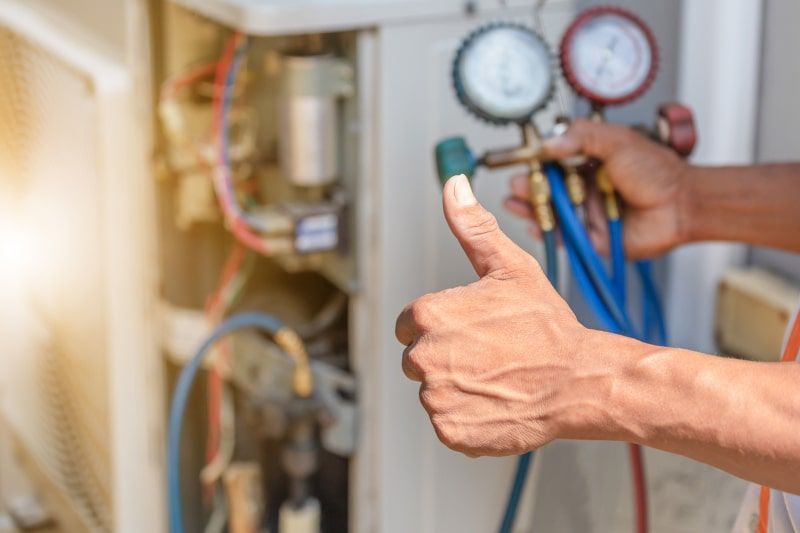
- Schedule seasonal HVAC maintenance
- Keep vents unobstructed
- Avoid setting the thermostat extremely low
- Consider adding a whole-home dehumidifier if humidity stays high
Routine maintenance can help your system remove humidity more effectively while also improving energy efficiency and indoor air quality.
Stay Comfortable Before Summer Arrives
Spring in McLeansville is beautiful, but rising humidity can quickly make your home uncomfortable if your HVAC system isn’t prepared for the season ahead. At Carolina Quality Heating & Air, we help homeowners stay comfortable through every season with professional HVAC maintenance, repairs, and indoor air quality solutions designed for North Carolina weather. If your home already feels humid this spring, now is the perfect time to have your system inspected before the summer heat arrives. Check out our services page to learn more about how we can keep you cool this summer.