Blog
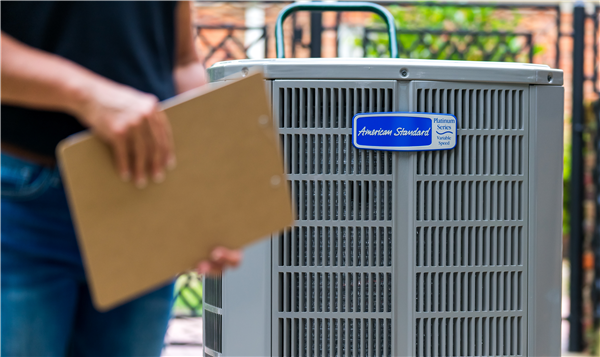
If it feels like your air conditioner has been running nonstop lately, you’re probably not imagining it. August in McLeansville and throughout the Triad can bring some of the hottest, most demanding weather of the summer. After months of keeping your home cool, your AC system is already deep into its busiest season. Add high outdoor temperatures, warm afternoons and North Carolina humidity, and you may notice your system running longer than it did earlier in the summer. But when is a long-running AC normal—and when is it a sign that something needs attention? At Carolina Quality Heating & Air Conditioning, we want homeowners to know the difference. Why Your AC Runs Longer on Hot August Days Your air conditioner doesn’t produce a set amount of “cold air.” Instead, it continuously removes heat from your home until the indoor temperature reaches the setting on your thermostat. When outdoor temperatures climb into the 90s, heat is constantly making its way back into your home through windows, doors, walls, the attic and other areas. Your AC has to work longer to remove that heat and maintain a comfortable indoor temperature. Longer cooling cycles during the hottest part of the afternoon can be completely normal, particularly when your system is otherwise keeping your home comfortable. North Carolina Humidity Adds to the Workload Temperature isn't the only challenge your air conditioner faces during a North Carolina summer. Humidity also plays an important role. Your AC helps remove moisture from indoor air as it cools your home. On humid days, the system may need to run longer to manage both temperature and moisture. This is also why a properly functioning air conditioner can make your home feel more comfortable even before the thermostat drops significantly. Lower humidity can make the same indoor temperature feel noticeably better. However, if your home suddenly feels unusually muggy or sticky even while the AC is running, there could be an issue worth having checked. When Longer Run Times May Signal a Problem Long cooling cycles aren't automatically cause for concern. What matters is whether your system is actually keeping up. Pay attention to changes in your home's normal cooling performance. You may want to schedule an inspection if you notice: Your AC runs continuously but never reaches the thermostat setting. Certain rooms are suddenly much warmer than others. Airflow from your vents feels weaker than usual. Your home feels excessively humid despite the AC running. Your energy bill increases significantly without a major change in your habits. The system frequently turns on and off in very short cycles. You hear new or unusual noises coming from the indoor or outdoor equipment. These symptoms can have several possible causes, including restricted airflow, a dirty filter, ductwork issues, dirty coils, thermostat problems or a mechanical issue. Finding the cause early can sometimes prevent a small problem from becoming a much more inconvenient repair. Give Your AC a Little Help During Late-Summer Heat There are also a few simple things homeowners can do to reduce unnecessary strain on their cooling systems. Start by checking your air filter regularly. A clogged filter restricts airflow and can make your system work harder to move conditioned air throughout your home. Keep blinds or curtains closed on windows receiving strong afternoon sun, and make sure supply and return vents aren't blocked by furniture, rugs or other household items. It's also important to keep the area around your outdoor unit clear. Grass clippings, weeds, leaves and other debris can interfere with airflow and make it more difficult for the system to release heat outdoors. Finally, avoid making dramatic thermostat adjustments because the house feels warm. Setting the thermostat significantly lower won't make your AC cool the home faster—it simply tells the system to keep running longer. Don't Ignore Changes in Your Home's Comfort By late summer, your cooling system has already put in months of hard work. That's why August is a good time to pay attention to how it is performing. If your AC is running longer but still maintaining a comfortable temperature, it may simply be responding to the summer heat. But if you're noticing warmer rooms, rising humidity, weak airflow or an AC that can't seem to keep up, it's worth finding out why. Carolina Quality Heating & Air Conditioning proudly helps homeowners in McLeansville, and surrounding communities stay comfortable through North Carolina's toughest summer weather. If your air conditioner isn't performing the way it should, give Carolina Quality Heating & Air Conditioning a call at 336-621-5669 . Our experienced team can diagnose the problem and help get your home comfortable again. Don't wait for a late-summer breakdown. If something doesn't seem right with your AC, let Carolina Quality take a look before a small issue becomes a bigger one.
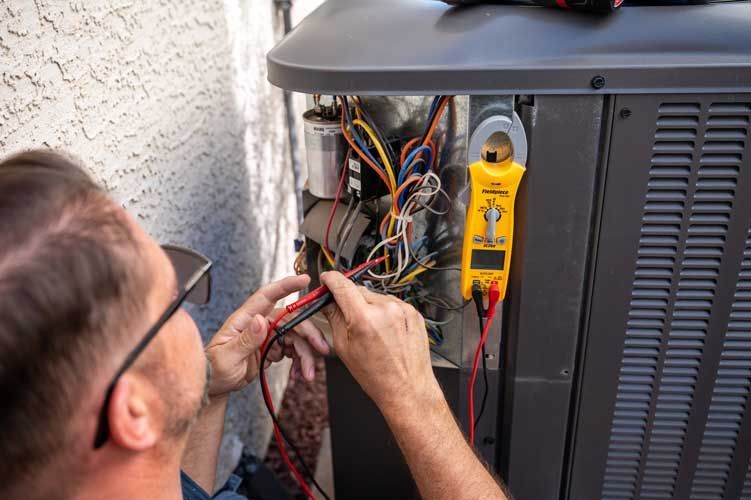
By late July, air conditioners across McLeansville and the surrounding Triad have been working hard for months. While it's normal for your system to run more often during the hottest part of summer, it's not normal for it to turn on and off every few minutes. This issue, known as short cycling, can make your home less comfortable, increase your energy bills, and put unnecessary wear and tear on your HVAC system. Understanding what causes short cycling can help you know when it's time to call a professional before a small problem turns into an expensive repair. What Is Short Cycling? A properly functioning air conditioner runs through cooling cycles that last long enough to evenly cool your home and remove excess humidity from the air. When an AC system short cycles, it starts, runs for only a few minutes, shuts off, and then quickly starts again. Instead of maintaining a steady indoor temperature, the system constantly restarts, forcing components to work much harder than they were designed to. Why Is Short Cycling a Problem? Frequent starts and stops create extra stress on your HVAC system. Over time, this can lead to: Higher monthly energy bills Uneven temperatures throughout your home Increased wear on the compressor and other components Poor humidity removal A shorter lifespan for your air conditioning system If ignored, short cycling can eventually lead to a complete system breakdown—often during the hottest days of the year. Common Causes of Short Cycling Dirty Air Filter One of the simplest causes is a clogged air filter. Restricted airflow can cause your system to overheat or struggle to move enough air, forcing it to shut down prematurely. Checking your filter every month during the summer and replacing it as needed is one of the easiest ways to help your system operate efficiently. Low Refrigerant If your system is low on refrigerant due to a leak, it may not be able to complete a normal cooling cycle. Low refrigerant is not something that simply "runs out" over time—it usually indicates a leak that should be repaired by a licensed HVAC technician. Thermostat Problems Sometimes the thermostat—not the air conditioner—is the culprit. A thermostat installed near a sunny window, supply vent, or other heat source may misread your home's temperature and cause your system to cycle incorrectly. Faulty wiring or an aging thermostat can also create communication issues with your HVAC system. An Oversized Air Conditioner While many homeowners assume bigger is better, an oversized air conditioner can actually cool your home too quickly. Because it satisfies the thermostat before completing a full cycle, it repeatedly turns on and off, reducing efficiency and leaving excess humidity inside your home. Proper system sizing is one of the most important parts of any HVAC installation. What Should You Do? If you've noticed your air conditioner cycling more frequently than normal, don't ignore it. Continuing to run the system can increase wear on expensive components and lead to more costly repairs. A professional inspection can identify the root cause and often resolve the issue before it becomes a major problem. Keep Your Home Comfortable This Summer North Carolina summers place a heavy demand on air conditioning systems, especially after weeks of high temperatures. If your AC is constantly turning on and off, making unusual noises, or struggling to keep your home comfortable, it's time to have it checked. At Carolina Quality Heating & Air, we've proudly served homeowners throughout McLeansville and Guilford County for over 20 years with dependable HVAC repairs, maintenance, and installations. Our experienced technicians can diagnose short cycling issues and help restore your system's performance before a minor issue becomes a major expense. Contact Carolina Quality Heating & Air today to schedule your air conditioning service and keep your home cool, comfortable, and efficient for the rest of the summer.
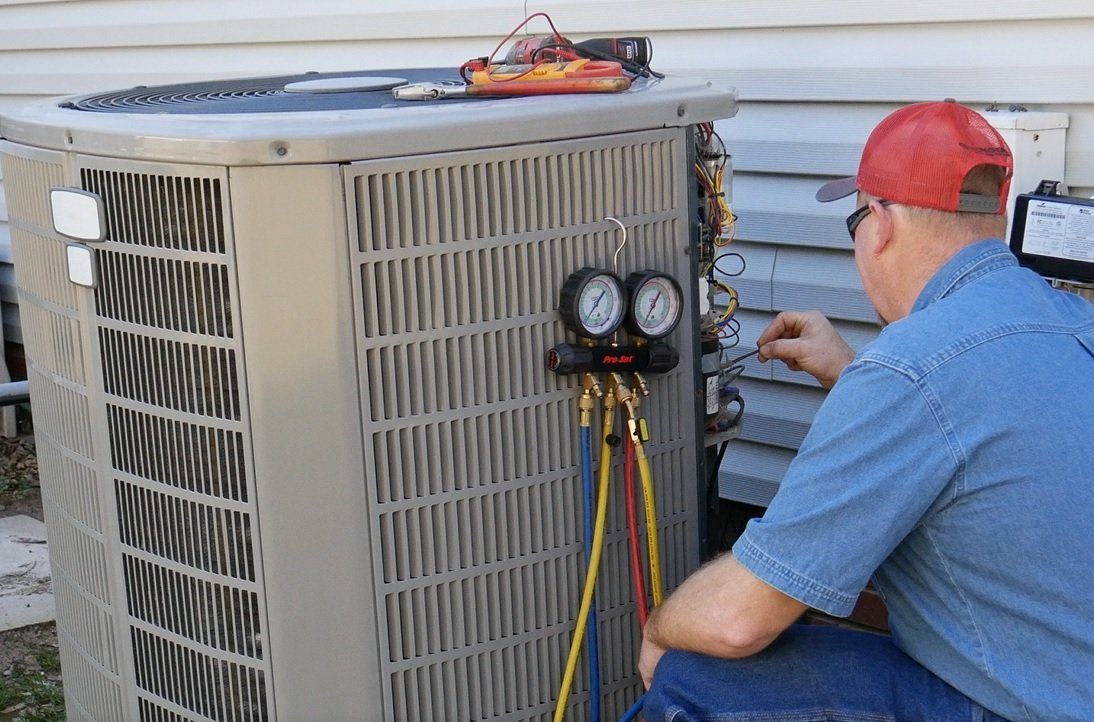
When summer arrives in McLeansville, most homeowners expect their air conditioner to run more often. But during a heat wave, many people become concerned when their system seems to run almost continuously throughout the day. Is something wrong with your AC, or is it simply working as designed? Understanding how air conditioners perform during extreme temperatures can help you avoid unnecessary worry and know when it's time to call a professional. Your Air Conditioner Isn't Designed to Cool Instantly Many homeowners are surprised to learn that air conditioning systems are designed to gradually remove heat from a home. On a typical summer day, your system cycles on and off as needed to maintain your desired temperature. However, when outdoor temperatures climb into the 90s—or even higher—the amount of heat entering your home increases dramatically. Your AC must work much harder to keep up. During these periods, it's completely normal for your system to run longer than usual. Why Your Home May Feel Warmer in the Afternoon Even a properly functioning air conditioner can struggle during the hottest part of the day. Several factors contribute to this: Direct sunlight through windows Heat buildup in attics Frequent door openings Cooking and appliance use Poor insulation or air leaks As outdoor temperatures peak, your system may fall a few degrees behind your thermostat setting before catching up later in the evening. What You Can Do to Help Your System A few simple habits can reduce the workload on your air conditioner: Keep Blinds and Curtains Closed Blocking direct sunlight can significantly reduce heat gain, especially on south- and west-facing windows. Avoid Heat-Producing Activities Try to limit cooking, baking, and laundry during the hottest hours of the day. Replace Dirty Air Filters Restricted airflow forces your system to work harder and can reduce cooling performance. Keep the Outdoor Unit Clear Grass clippings, weeds, and debris around your condenser can limit airflow and reduce efficiency. Signs Your AC May Need Service While longer run times are normal during extreme heat, certain symptoms could indicate a problem: Warm air coming from vents Ice forming on refrigerant lines Unusual noises Sudden increases in energy bills Frequent system cycling Indoor temperatures that continue rising despite the AC running If you notice any of these issues, it's a good idea to schedule an inspection before a small problem becomes a costly repair. The Importance of Preventive Maintenance Summer breakdowns often occur when systems are under the greatest stress. Regular maintenance helps identify worn components, airflow issues, and performance concerns before they lead to unexpected failures. A professional tune-up can improve efficiency, extend equipment life, and help ensure your family stays comfortable during the hottest days of the season. Stay Ahead of Summer Heat North Carolina summers can be demanding on HVAC systems, but understanding how your air conditioner performs during extreme temperatures can help you keep your home comfortable and avoid unnecessary repairs. If your AC isn't keeping up or you're concerned about its performance, Carolina Quality Heating & Air is here to help. Our experienced technicians provide expert maintenance, repairs, and system evaluations for homeowners throughout McLeansville and the surrounding communities. Contact Carolina Quality Heating & Air today to schedule service and make sure your system is ready for the hottest days of summer. Check out our services page to learn more about how we can keep you cool and comfortable this summer.
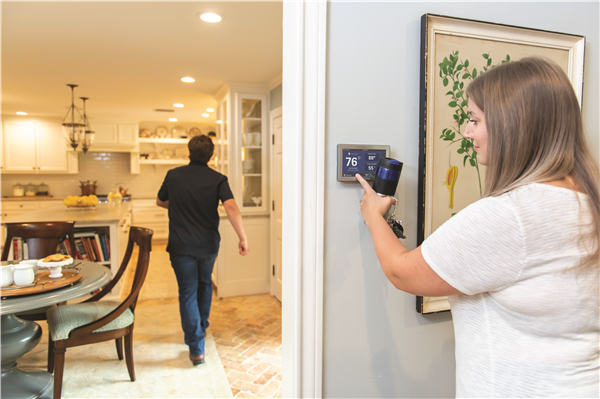
As temperatures begin rising across McLeansville and the surrounding Triad area, many homeowners are looking for ways to stay comfortable without seeing their energy bills skyrocket. One of the most overlooked ways to improve comfort and efficiency is right on the wall: your thermostat. Many homeowners don’t realize that outdated thermostat settings — or an outdated thermostat itself — can cause your HVAC system to work harder than necessary during the summer months. At Carolina Quality Heating & AC, we often help customers improve comfort and lower energy usage with a few simple thermostat adjustments. Small Changes Can Make a Big Difference Your thermostat controls how often your air conditioner runs. If it’s set too low or programmed inefficiently, your system may run constantly during hot North Carolina afternoons. A few smart adjustments can help reduce unnecessary strain on your HVAC system while keeping your home comfortable. Recommended Summer Thermostat Settings For many households, the U.S. Department of Energy recommends: Around 78 degrees when you’re home Slightly higher while you’re away A consistent temperature rather than frequent drastic changes Every home and family is different, but even adjusting your thermostat by a few degrees can help improve efficiency. Signs It May Be Time for a Thermostat Upgrade Older thermostats can become inaccurate over time or fail to communicate properly with your HVAC system. If you notice uneven temperatures or higher utility bills, your thermostat could be part of the problem. Common signs include: The temperature in your home doesn’t match the thermostat reading Your system turns on and off frequently Certain rooms feel much hotter than others Your energy bills continue increasing You still have a manual thermostat Benefits of a Smart Thermostat Modern smart thermostats offer more control and convenience than ever before. Many homeowners enjoy benefits such as: Remote temperature control from your phone Energy usage tracking Automatic scheduling Improved system efficiency More consistent indoor comfort Smart thermostats can also help reduce wear and tear on your HVAC system by preventing unnecessary runtime. Keep Your HVAC System Running Efficiently This Summer Your thermostat is only one piece of the puzzle. Regular HVAC maintenance helps ensure your entire system is operating efficiently during the hottest months of the year. A professional inspection can help catch small problems before they become expensive repairs in the middle of summer. At Carolina Quality Heating & AC, we proudly help homeowners throughout McLeansville and surrounding communities stay comfortable all season long with dependable HVAC service and maintenance. If you’re ready to improve comfort and efficiency this summer, contact Carolina Quality Heating & AC today to schedule service or learn more about thermostat upgrade options.
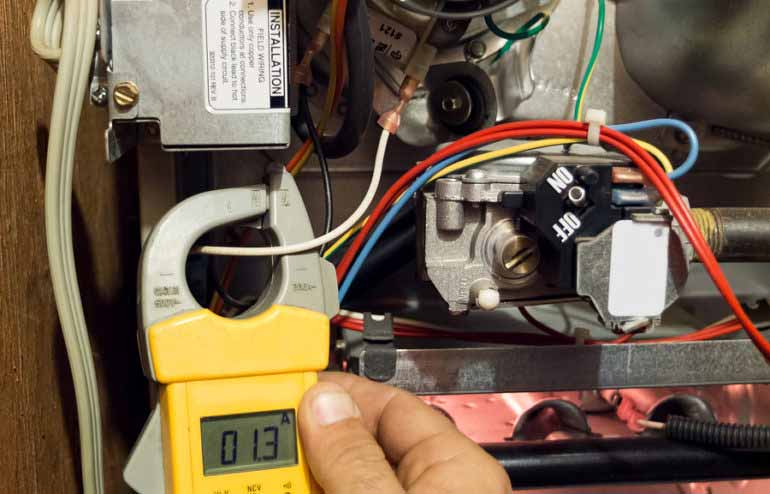
As temperatures start climbing across North Carolina, many homeowners in McLeansville notice something frustrating happening inside their homes: the air suddenly feels sticky, damp, or uncomfortable — even when the thermostat says the temperature is perfectly fine. Spring in the Piedmont region brings warmer days, cool nights, pollen, rain, and rising humidity levels. That combination can make your home feel muggy long before summer officially arrives. While most people think their air conditioner is only responsible for cooling the air, your HVAC system actually plays a major role in controlling indoor humidity too. If your home already feels humid this early in the season, it may be your HVAC system’s way of telling you it needs attention. Why Spring Humidity Feels Worse Indoors During spring, outdoor temperatures fluctuate constantly. One day may be sunny and warm, while the next brings heavy rain and damp air. As humidity levels rise outside, moisture naturally finds its way indoors every time doors open, windows crack, or your HVAC system circulates air. In North Carolina, spring also means pollen season is in full swing. Many homeowners open windows to enjoy cooler mornings, but that often allows moisture and allergens to enter the home together. Experts note that pollen, dust, and humidity can combine to make indoor air quality noticeably worse during spring months. The result? Rooms feeling clammy Musty odors Allergies feeling worse indoors Difficulty getting comfortable at night Higher energy bills from constantly adjusting the thermostat Your Air Conditioner Does More Than Cool the Air Most homeowners don’t realize that a properly functioning air conditioner removes moisture from the air while it cools your home. When your system is running efficiently, it helps maintain balanced indoor humidity levels. But if the system is struggling, oversized, dirty, or overdue for maintenance, it may cool the home too quickly without removing enough moisture. That leaves you with a house that technically feels “cool” — but still feels uncomfortable. Some common HVAC issues that contribute to indoor humidity include: Dirty evaporator coils Clogged condensate drains Restricted airflow Old or improperly sized systems Dirty air filters Thermostat issues Poor attic or duct insulation Signs Your Home Has a Humidity Problem Spring humidity problems often start subtly before becoming more noticeable in summer. Watch for signs like: Condensation on windows A damp or musty smell Feeling sticky indoors Increased allergy symptoms Mold or mildew around vents Uneven cooling between rooms If you notice any of these symptoms, your HVAC system may not be controlling moisture properly. Simple Ways to Improve Indoor Comfort This Spring The good news is that you don’t always need a major repair to improve comfort inside your home. A few simple steps can make a big difference: Replace your air filter regularly during pollen season Schedule seasonal HVAC maintenance Keep vents unobstructed Avoid setting the thermostat extremely low Consider adding a whole-home dehumidifier if humidity stays high Routine maintenance can help your system remove humidity more effectively while also improving energy efficiency and indoor air quality. Stay Comfortable Before Summer Arrives Spring in McLeansville is beautiful, but rising humidity can quickly make your home uncomfortable if your HVAC system isn’t prepared for the season ahead. At Carolina Quality Heating & Air, we help homeowners stay comfortable through every season with professional HVAC maintenance, repairs, and indoor air quality solutions designed for North Carolina weather. If your home already feels humid this spring, now is the perfect time to have your system inspected before the summer heat arrives. Check out our services page to learn more about how we can keep you cool this summer.
If you live in McLeansville or the surrounding Triad area, you’ve probably already noticed it—cars covered in yellow dust, itchy eyes, and constant sneezing. Welcome to spring in North Carolina. But here’s what many homeowners don’t realize: that same pollen outside is also making its way inside your home—and your HVAC system plays a big role in how much of it stays there. At Carolina Quality Heating & AC, we get a lot of calls this time of year about allergies, air quality, and systems that just don’t feel like they’re working right. Let’s break down what’s really happening—and how to fix it. Why Pollen Is a Bigger Problem Than You Think Spring pollen in North Carolina—especially from trees like oak, birch, and maple—can easily enter your home through doors, windows, clothing, and even pets. Once inside, it doesn’t just disappear. Your HVAC system continuously circulates air throughout your home, which means it can either: Help remove those allergens or Keep recirculating them over and over That’s why indoor air quality becomes such a big issue this time of year. Signs Your Home’s Air Quality Is Suffering If pollen is building up inside your home, you might notice: Increased allergy symptoms indoors Dust buildup around vents and surfaces A stuffy or “heavy” feeling in the air More frequent sneezing, coughing, or irritation Your home doesn’t feel as fresh—even with the AC running These are all signs your HVAC system may not be filtering air as effectively as it should. How Your HVAC System Can Help (or Hurt) Your HVAC system is actually one of the best tools you have for controlling indoor air quality—but only if it’s working properly. Here’s how: 1. Air Filters Matter More Than Ever Your air filter is the first line of defense against pollen and allergens. During peak allergy season, experts recommend checking filters monthly and replacing them as needed. A dirty or low-quality filter can allow pollen to pass through—and even spread it throughout your home. 2. Airflow and Circulation Your system constantly recirculates indoor air, which helps remove airborne contaminants when everything is clean and functioning properly. If airflow is restricted, your system can’t do its job effectively. 3. Humidity Control Spring in North Carolina isn’t just about pollen—humidity starts creeping in too. High humidity can trap allergens like pollen, dust, and pet dander in the air, making symptoms worse and reducing comfort. 4. Ductwork and System Cleanliness Over time, pollen and dust can collect inside your ductwork. If not addressed, your system can continue circulating those contaminants throughout your home. 🛠️ How to Reduce Pollen in Your Home This Spring Here are a few simple steps that can make a big difference: ✔ Change Your Air Filter More Frequently During peak pollen season, check it monthly and upgrade to a high-efficiency filter if possible. ✔ Keep Windows Closed on High Pollen Days It’s tempting to let in fresh air—but it often brings pollen with it. ✔ Shower and Change After Being Outside Pollen sticks to clothes, skin, and hair—bringing it straight into your home. ✔ Consider an Air Purification System Whole-home air purifiers can significantly reduce airborne allergens and improve indoor air quality. ✔ Schedule a Spring HVAC Tune-Up A professional cleaning and inspection ensures your system is ready to handle pollen, humidity, and rising temperatures. Why This Matters More in McLeansville In the Triad area, spring isn’t just a warm-up—it’s the start of heavy pollen and rising humidity at the same time. That combination can: Make your home feel less comfortable Trigger allergy symptoms indoors Force your HVAC system to work harder than necessary Taking care of your system now helps prevent bigger issues once summer heat hits full force. Breathe Easier This Spring If your home feels dusty, stuffy, or uncomfortable this spring, your HVAC system could be the reason. At Carolina Quality Heating & AC, we help homeowners in McLeansville and the surrounding areas improve their indoor air quality and keep their systems running at their best. Whether it’s a simple filter change, a tune-up, or a full indoor air quality solution—we’re here to help you breathe easier all season long. Call us today to schedule your new HVAC service or check out our service page to learn more.
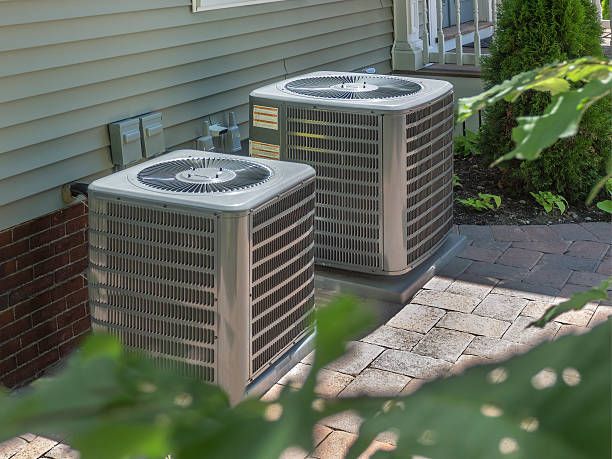
If you’ve noticed your heat pump running almost nonstop lately, you’re not alone. February in the McLeansville and Greensboro area often brings cold mornings, chilly nights, and the kind of temperature swings that keep HVAC systems working overtime. But is your heat pump supposed to run all the time in winter? Short answer: sometimes yes — and sometimes it’s a sign you need service. Let’s break down what’s normal during a North Carolina winter and when it’s time to call Carolina Quality Heating & Air. Why Heat Pumps Run More in Cold Weather Most homes in our area use heat pumps, which are designed to move heat rather than generate it. Even when it’s cold outside, there’s still heat in the air that your system pulls in and transfers inside. When temperatures drop into the 20s and 30s (which we’ve definitely seen lately), your heat pump has to work harder to maintain indoor comfort. That often means: Longer run times Fewer full “off” cycles Steady airflow from vents This is actually normal and efficient operation. Heat pumps work best when they maintain a consistent temperature rather than constantly starting and stopping. What About Emergency Heat? You may also notice your system switching to auxiliary or emergency heat during colder stretches. Emergency heat is a backup heating source that kicks in when: Outdoor temps drop too low for the heat pump alone Your system is in defrost mode The thermostat is raised quickly several degrees While necessary at times, emergency heat uses significantly more energy and can raise your power bill if it runs too often. If you notice your thermostat frequently showing “AUX” or “EM HEAT,” it may be worth having your system checked. Signs Your System Might Need Service While longer run times can be normal, there are a few warning signs that something isn’t right: 1. Your home never reaches the set temperature If your system runs constantly but still feels cold inside, it could indicate airflow issues, low refrigerant, or a failing component. 2. Sudden spike in energy bills A noticeable increase in your winter utility bill can mean your system is relying too heavily on auxiliary heat or operating inefficiently. 3. Uneven temperatures between rooms Cold spots may point to duct issues, insulation problems, or a system that needs adjustment. 4. Strange noises or frequent cycling Grinding, buzzing, or constant restarting are never normal and should be inspected quickly. Why Late Winter Is the Perfect Time for Maintenance As we move toward spring in North Carolina, now is the ideal time to schedule seasonal HVAC maintenance. A late-winter tune-up helps ensure: Your system handled winter without hidden wear Your AC is ready before the first warm spell You avoid the spring service rush Energy efficiency stays high Think of it as a reset before pollen season and rising temperatures arrive. Stay Comfortable in McLeansville & Surrounding Areas At Carolina Quality Heating & Air, we help homeowners throughout McLeansville, Greensboro, and the Triad keep their systems running efficiently all winter long. If your heat pump seems to be working overtime — or your home just isn’t as comfortable as it should be — our experienced team is here to help. Not sure if what you’re experiencing is normal? Give us a call and we’ll take a look. A quick check now can prevent bigger (and more expensive) issues later. Check out our services page to learn more about how we can keep your McLeansville, NC home comfortable all year long.
When winter settles into McLeansville, most homeowners focus on one thing: staying warm. But there’s another part of home comfort that often gets overlooked during colder months — indoor air quality. Since we spend more time inside with windows closed and heaters running, winter can quietly create air issues that affect comfort, health, and even energy bills. At Carolina Quality Heating & AC, we believe comfort is more than just temperature. Let’s talk about why winter indoor air quality matters — and what you can do about it. Sealed Homes = Trapped Air During the winter, homes stay tightly sealed to keep cold air out and warm air in. That’s great for efficiency, but it also means dust, allergens, pet dander, and everyday household particles stay trapped indoors. Without proper filtration and circulation, the air you breathe becomes stale and irritates sinuses, skin, and respiratory systems. If your home feels stuffy in winter, or family members experience more congestion than usual, your HVAC system may need attention — not just for heating, but for air movement and filtration. Heating Systems Can Dry Out Your Air Cold outdoor air holds less moisture, and when it’s heated indoors, humidity levels drop even further. Dry winter air can cause: Scratchy throats Dry skin and lips Static electricity Worsening allergy or asthma symptoms Many homeowners assume this is just “normal winter discomfort,” but proper humidity control can make a huge difference. A whole-home humidifier connected to your HVAC system can restore comfortable moisture levels without the hassle of portable units. Dirty Filters Work Against You Your furnace filter does more than protect your HVAC equipment — it directly affects the air you breathe. During winter, heating systems run more frequently, pulling more air through the filter. If that filter is clogged, it restricts airflow, strains your system, and recirculates dust throughout your home. A simple filter change every 1–3 months can improve efficiency, reduce heating costs, and noticeably clean up indoor air. Ventilation Still Matters in Cold Weather Many homeowners avoid running bathroom or kitchen exhaust fans in winter to keep warm air inside. But without proper ventilation, moisture from cooking and showers lingers — which can lead to condensation on windows, musty odors, or even mold growth. Balanced ventilation helps keep air fresh without sacrificing warmth. If your home struggles with humidity buildup or lingering odors, it may be time to evaluate your ventilation setup. Your HVAC System Is the Lungs of Your Home Think of your heating system as more than a heat source — it’s your home’s breathing system. Regular maintenance ensures: Clean internal components Proper airflow Safe operation Efficient performance A winter tune-up doesn’t just prevent breakdowns. It keeps your indoor environment healthier and more comfortable all season long. Breathe Easier This Winter In McLeansville, winter temperatures can swing quickly — chilly mornings, mild afternoons, and sudden cold snaps. That means your heating system works hard. Paying attention to indoor air quality ensures your home stays comfortable in every sense of the word. If you’ve noticed dry air, excess dust, or rising energy bills this winter, Carolina Quality Heating & AC is here to help. From heating maintenance to air quality solutions, we keep McLeansville homes warm, efficient, and healthy all season long. Schedule your winter service today and breathe easier tomorrow. Check out our service page to learn more about how we can keep you and your McLeansville, NC home comfortable all year long.